
Plant Profile: Hosta for GTA Shade Gardens

Updated: Mar 12
Blue Angel vs. June vs. Fire and Ice (Plus Bloom Notes and Buying Tips)

Across Toronto and the GTA, shaded areas can be challenging to make look “finished.” Side yards, north-facing beds, fence lines, and spaces under mature trees often struggle. Turf may falter, bare soil can appear messy, and weeds tend to invade quickly.
This is precisely why hostas remain one of our most-used perennials. They thrive in shade, their foliage has a significant presence, and once established, they help cover soil and reduce weed pressure—a crucial factor for low-maintenance landscapes.
In this plant profile, we focus on the three hostas we reach for most often: Blue Angel, June, and Fire and Ice. These durable choices are common in GTA gardens, but they serve very different roles in design based on size, colour, and light conditions.
Why Hosta Works So Well in Toronto Landscapes
Hosta isn’t popular just because it’s “easy.” It’s favored because it addresses multiple design challenges simultaneously. In shaded beds, hosta creates instant structure—softening hard edges, filling gaps, and providing a clean, intentional look without relying on constant flowering colour.
Once established, hosta clumps also reduce the amount of exposed soil. This means fewer weeds and less ongoing cleanup. That’s why hosta often becomes the backbone of our shade planting plans.
The Three We Use Most
Blue Angel Hosta: Big, Calm, and Great for Weed Coverage

If you want one hosta that can make a shady bed feel “complete,” Blue Angel is usually the answer. It’s known for its large, lush clumps and blue-green foliage that conveys calm and maturity in the landscape. The big leaves and dense clump help cover soil, which reduces weeds in shade beds.
Key differences (Blue Angel):
Size: Large and full—best as a background or anchor plant.
Light: Very reliable in part shade to full shade.
Design role: Acts as a “soft green wall” in planting beds; provides strong soil coverage once mature.
Pairing: Looks great behind smaller shrubs or in front of fences with ornamental grasses in the foreground.
In design, we often treat Blue Angel like a background board. It’s perfect along fence lines, under trees, and in side-yard beds where you need stable green mass without constant upkeep.
June Hosta: Versatile, Easy to Mix, and Bright in Shade
June is one of the best “workhorse” hostas for residential gardens. It doesn’t dominate the bed like Blue Angel, but it blends beautifully with shrubs, grasses, and other perennials. Its colour tends to feel lighter and fresher, which can lift a shady area and prevent it from looking too dark.
Key differences (June):
Size: Medium—flexible for mixed planting.
Light: Performs best in part shade; still reliable in shade.
Design role: A layering plant that ties different textures together.
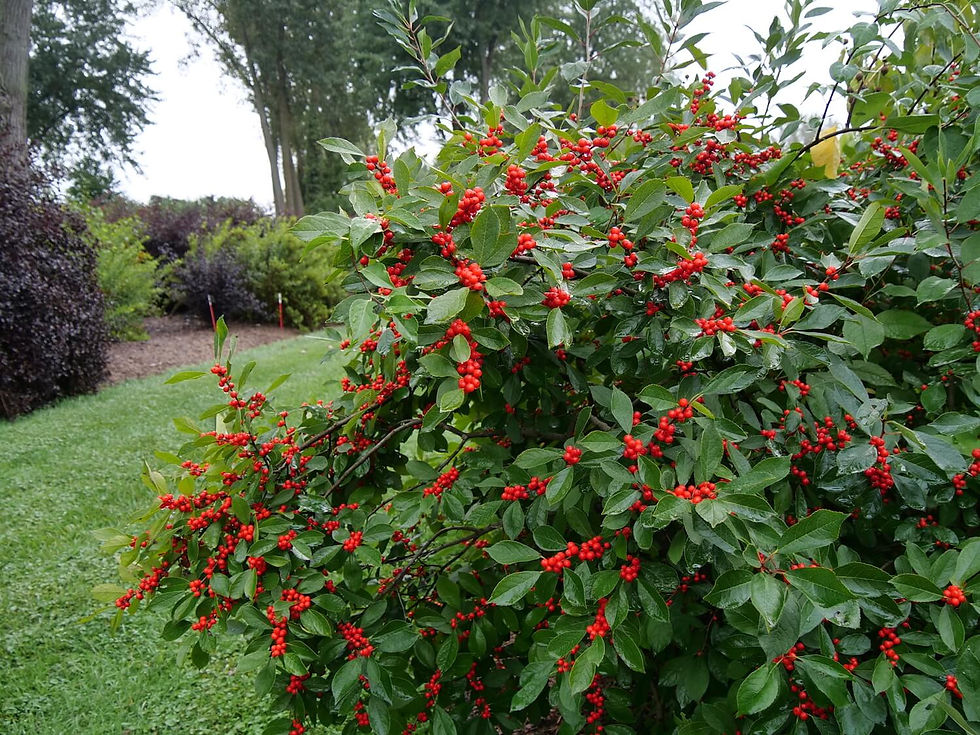
Pairing: Excellent with ferns, coral bells, hydrangeas, yews/inkberry, and Japanese forest grass.
We use June when we aim for a shade bed that feels natural and layered—where everything looks like it belongs together instead of appearing “placed.”

Fire and Ice Hosta: Sharper Contrast, Better With Brighter Light

If you want a hosta with more visual punch, Fire and Ice is a great option. It has a crisp, high-contrast look that appears more “designed” from a distance. However, it usually performs best with brighter conditions—think morning sun or bright shade—rather than deep shade.
Key differences (Fire and Ice):
Size: Medium and tidy—great near paths and steps.
Light: Prefers brighter shade/morning sun for the cleanest colour.
Design role: Focal group planting (it looks strongest when repeated).
Best use: Plant 2–3 together to create a clear accent moment in the bed.
We often place Fire and Ice near entry steps, walkway corners, or patio edges—places where the eye naturally pauses. A small repeated cluster makes it feel intentional rather than accidental.
Bloom Notes: Hosta Flowers Are a Bonus, Not the Main Event
Most homeowners choose hostas for their foliage, and that’s the right mindset. Hosta flowers are usually soft—lavender to pale purple (sometimes close to white)—and they rise on tall stalks above the leaves in summer.

In design, we treat hosta blooms as a nice detail, not a feature we depend on. If you love the extra height and lightness, leave the flower stalks. If you prefer a cleaner look, you can trim the stalks off—your foliage will still look great.
Where to Buy Hosta in the GTA (and What to Look For)
Hostas are widely available across Toronto and the GTA. In most local garden centres and nurseries, Blue Angel and June are common staples. Fire and Ice is also available, but it can be more seasonal—easier to find early in the spring when selection is best.
The two biggest “buying tips” are pot size and grouping. Smaller pots will grow, but shaded beds can look empty in the first 1–2 seasons, which is when weeds become a problem. If budget allows, going one size up helps you achieve that finished look faster—especially for Blue Angel.

Additionally, hostas almost always look better when used in small groups. One plant can appear as an accent; a repeated group reads as a design decision.
Quick Choosing Guide
If you’re deciding between these three, here’s the simplest way to think about it:
Choose Blue Angel when you need big coverage and a calm background in shade.
Choose June when you want a reliable mixer that pairs well with almost anything.
Choose Fire and Ice when you want sharper colour contrast and a small focal cluster in brighter light.
Final Thought
Hosta is one of the best tools for making shaded areas look intentional in Toronto landscapes. Whether we’re building a calm background with Blue Angel, layering a mixed bed with June, or creating a crisp focal moment with Fire and Ice, the right hosta choice can transform a difficult shade zone into one of the most polished parts of the yard.
---wix---


Comments